All Categories
Featured
Table of Contents
In this post, we'll stroll you through the essentials of company procedure optimization, checking out various techniques, tools, and methodologies that can help you change your operations. Company process optimization is all about refining your company's workflows and systems to accomplish optimal outcomes. It describes the practice of studying, upgrading, and enhancing existing company procedures to enhance efficiency, lower expenses, and ultimately drive better outcomes.
The primary goal of company process optimization is to create more efficient and reliable workflows that support the organization's strategic objectives. This can involve: Removing unnecessary actions and tasks that don't add worth to the procedure. Improving workflows to make it possible for staff members to work more efficiently and achieve much better outcomes. Streamlining processes to provide higher-quality items or services to clients in a timely way.
Launch Scalable Nearshore Operations for Reduce OverheadProducing an environment that encourages constant enhancement and makes it possible for organizations to adapt to altering market conditions. Executing company process optimization techniques can lead to various benefits for organizations, consisting of: By improving operations and removing ineffectiveness, organizations can decrease costs and save resources. Improved processes can lead to higher efficiency and enhanced customer complete satisfaction, ultimately driving profits growth.
Effective procedures can decrease disappointment and enhance task complete satisfaction amongst workers, resulting in greater retention and better general efficiency. A focus on continuous enhancement assists companies remain active and adjust to evolving business environments. By comprehending the concept of company process optimization, its goals and objectives, and the prospective benefits it can bring, organizations can start to establish and execute techniques to enhance their operations and achieve higher success.
Comparing Nearshore and US Hubs
Let's explore these steps in more detail. The initial step in developing an organization procedure optimization strategy is to identify and evaluate your organization's existing procedures. This involves: Listing all important organization processes Recording each process step by action Recognizing traffic jams, inadequacies, and areas for enhancement Collecting data on procedure efficiency, such as time taken, resources used, and expenses sustained When you have actually evaluated your current procedures, it's time to set objectives and goals for optimization.
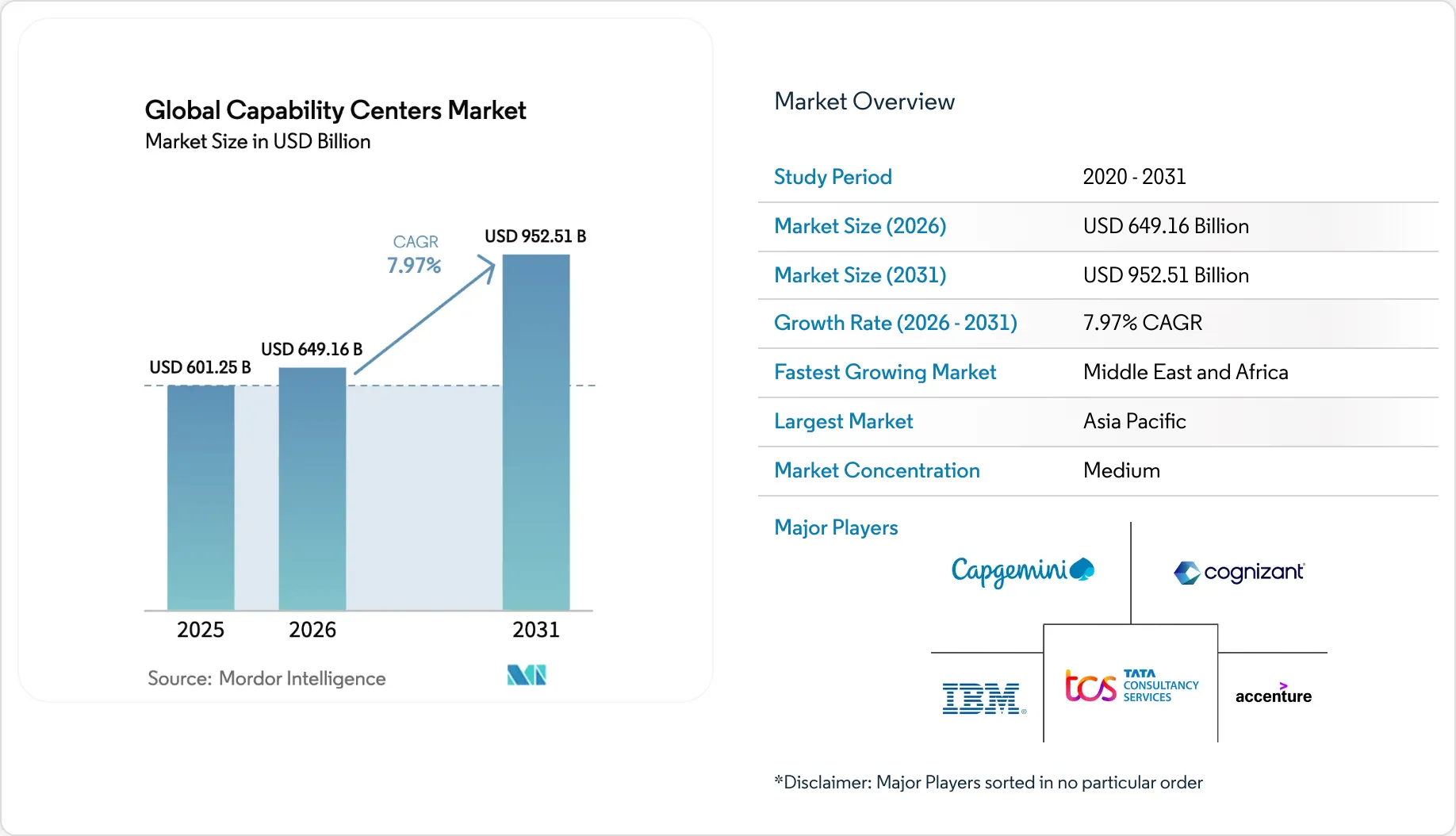
This includes: Determining possible changes to enhance workflows and get rid of ineffectiveness Evaluating the possible impact of each improvement on process efficiency Prioritizing improvements based on aspects such as expense, feasibility, and potential benefits Establishing detailed prepare for implementing the picked improvements Once you have actually drawn up your process improvements, it's time to put them into action.
To ensure long-lasting success, organizations need to: Regularly evaluation and evaluate process efficiency data to determine new chances for enhancement Stay updated on industry finest practices and emerging technologies that might further enhance operations Foster a culture of constant enhancement, motivating employees to recognize and recommend procedure improvements Periodically reassess optimization objectives and objectives to guarantee they stay lined up with the company's tactical objectives These steps assist organizations to establish and carry out an effective business procedure optimization technique that drives effectiveness, efficiency, and total company development.
Each method offers special advantages and can be customized to fit a company's particular requirements and objectives. Here's a summary of five popular company procedure optimization strategies. Lean approach is a popular process optimization method that concentrates on reducing waste and maximizing worth in business processes. Initially established for the manufacturing industry, Lean principles can be applied to any sector.
Transforming Business Processes with Global Hubs
Lean methodology emphasizes decreasing waste to improve efficiency and efficiency. Lean organizations are constantly looking for methods to improve and improve their procedures, promoting a culture of ongoing knowing and development. Lean method locations a strong emphasis on empowering staff members to take ownership of their work and contribute to process enhancement efforts.
Leveraging Business Process Optimization for Maximum ROIEstablished by Motorola in the 1980s, Six Sigma has since been adopted by companies throughout numerous industries. Secret parts of the Six Sigma approach include: This structured problem-solving method guides groups through the process of identifying issues, evaluating information, executing enhancements, and tracking results. Six Sigma relies greatly on statistical tools and methods to analyze procedure performance data and identify opportunities for improvement.
Organization Process Reengineering (BPR) is a radical optimization technique that involves reassessing and upgrading an organization's core processes from the ground up. BPR intends to accomplish significant enhancements in efficiency, effectiveness, and consumer complete satisfaction by: BPR encourages organizations to question the status quo and think about completely new methods to their operations.
Scaling GCC Innovation Centers in 2026
, a Japanese term significance "modification for the much better," is a viewpoint of constant improvement that can be applied to company procedure optimization. Kaizen encourages organizations to: Kaizen focuses on making regular, small changes to processes, rather than trying large-scale overhauls.

Latest Posts
Why Capability Hubs Drive Efficiency in 2026
Boosting Process Efficiency Through Global Hubs
Corporate Budget Efficiency Through Lean Sourcing